
The Nature of Luck in Gambling
Luck plays an integral role in casino games, influencing how players perceive their chances of winning. The psychology of luck can often lead individuals to develop beliefs about random chance that affect their gaming strategies. Many players tend to attribute their successes to skill or strategy, while failures are dismissed as mere bad luck. This cognitive dissonance can create a compelling narrative that entices players to continue gambling in hopes of a turnaround. Moreover, many enjoy the thrill of bitcoin casino slots as they seek out new experiences in the gambling world.
Additionally, the randomness inherent in casino games can lead to a phenomenon known as the “illusion of control.” Players might believe they have the ability to influence outcomes, particularly in games like blackjack or poker, where skill appears to play a significant role. This belief can heighten engagement and increase the likelihood of returning to the casino, despite the odds remaining statistically unchanged.
The Role of Confirmation Bias
Confirmation bias is a psychological phenomenon where individuals tend to seek out information that supports their pre-existing beliefs. In the context of gambling, this bias can manifest when players remember wins more vividly than losses. For instance, a player might recount a lucky win on a slot machine, ignoring the numerous times they lost. This selective memory reinforces the belief in personal luck and can significantly impact ongoing gambling behaviors.
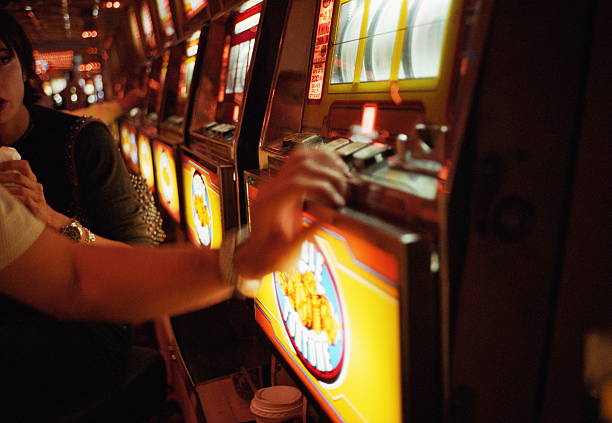
This tendency can be exacerbated in environments that are designed to enhance feelings of excitement and reward. The ambience of a casino—bright lights, loud sounds, and celebratory announcements—can contribute to a cognitive framework where players perceive that their luck is better than it actually is. Such environments manipulate emotional responses, making the experience of gambling both thrilling and misleading regarding one’s odds of winning.
The Psychology of Superstitions in Gambling
Superstitions are common in gambling, with players often adopting rituals or talismans to enhance their perceived luck. These can range from wearing specific clothing to following particular routines before or during gameplay. The psychological basis behind these superstitions lies in the desire to exert some level of control over outcomes that are fundamentally random.
The belief that certain actions can influence luck reflects a deeper human need for control in uncertain situations. This need can lead players to develop a personal mythology around their gambling experiences, which can enhance their enjoyment but also risk problematic behaviors. For example, if a player believes a particular strategy or ritual leads to wins, they may overlook the randomness of the game, attributing their losses solely to the failure of their rituals rather than the odds involved.
Cognitive Dissonance and Gambling Decisions
Cognitive dissonance also plays a considerable role in the gambling experience, where players may struggle to reconcile the amount of money they spend with their chances of winning. This discomfort can lead to justifications for continued play, such as the belief that they are ‘due’ for a win after a streak of losses. This rationalization can create a cycle of gambling behavior that becomes increasingly difficult to break.
The psychological conflict between the desire to quit and the hope for a profitable outcome can lead players to chase their losses, further entrenching them in unfavorable odds. Understanding this dissonance can be crucial for players seeking to navigate their gambling habits more mindfully, as it highlights the importance of recognizing the impact of their emotions on decision-making.
Finding Balance in Gaming Choices
As individuals engage with casinos, especially crypto casinos, it’s essential to strike a balance between the thrill of the game and the understanding of luck’s role in outcomes. Awareness of the psychological factors at play can help players make informed decisions, thereby reducing the risk of developing harmful gambling habits. By acknowledging that luck is just one component of gambling, individuals can cultivate a healthier relationship with casino gaming.
Our platform emphasizes the importance of responsible gaming by providing insights into various crypto casinos. As players explore their options, we assist them in finding platforms that align with their gaming preferences while advocating for awareness around the psychology of luck. This knowledge empowers players to enjoy the gaming experience more fully, without letting the whims of luck dictate their financial and emotional well-being.